
Stitching Ethics into the Algorithm: A Small Brand’s Perspective on Gen AI
A New Consideration in the Fashion Industry
So Generative AI is here. Its’ an undeniable reality that will only get more and more prevalent, harder to ignore and harder still to fight back against. It’s *ahem* weaving itself into the fashion industry at a pace that’s hard to keep up with. As Growth and Innovation Director at Manley I'm obligated to stay informed of developments like these, with a view to identifying potential opportunities to leverage the technology to drive more efficiencies and/or grow the business … but I'm conflicted.
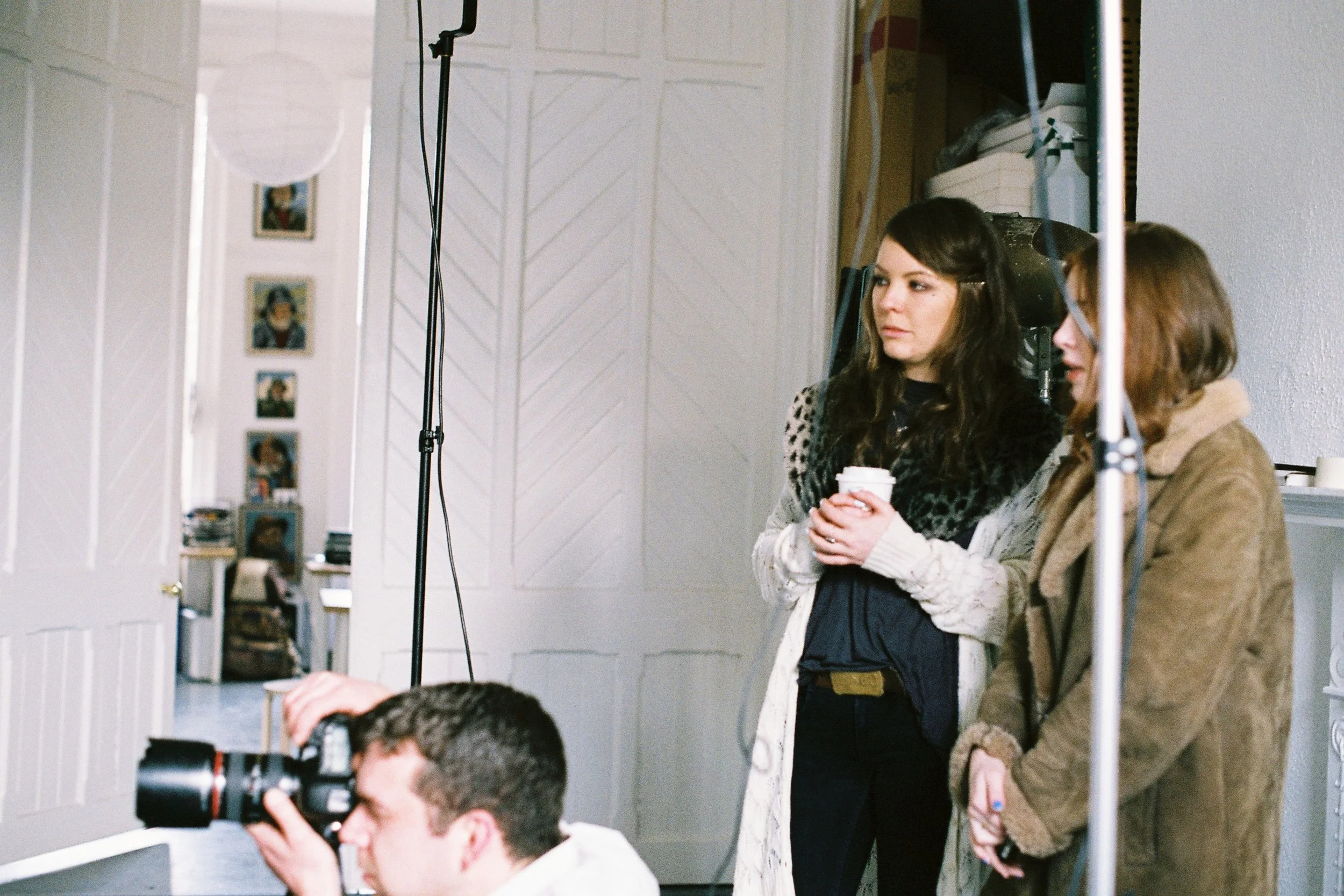
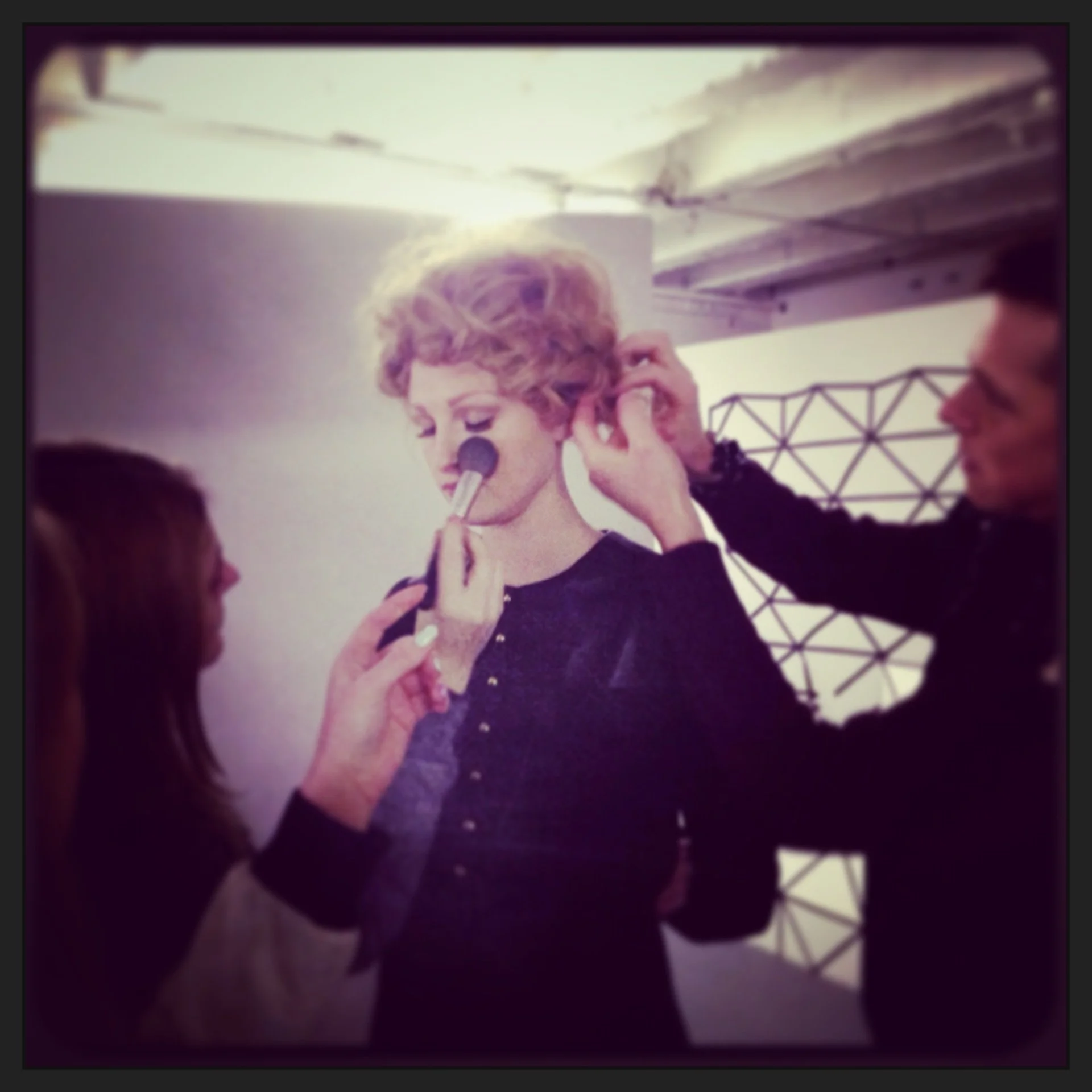
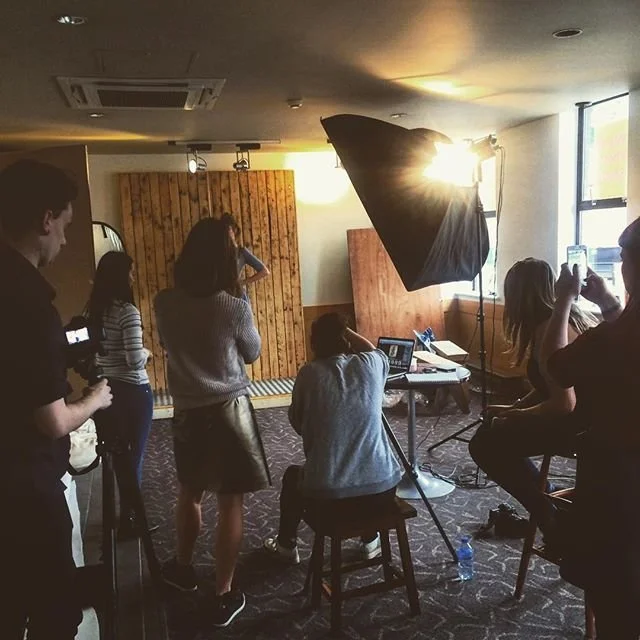
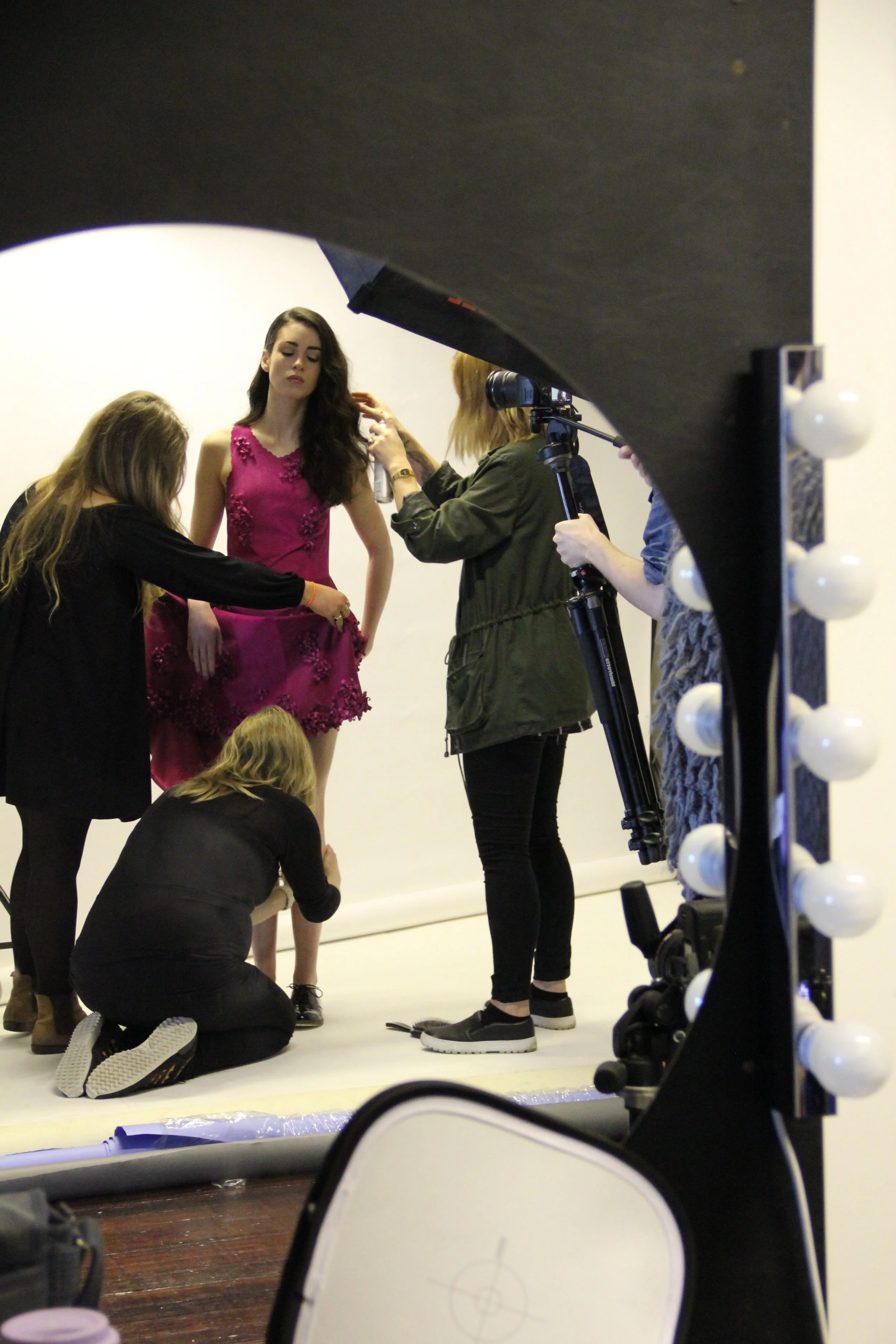
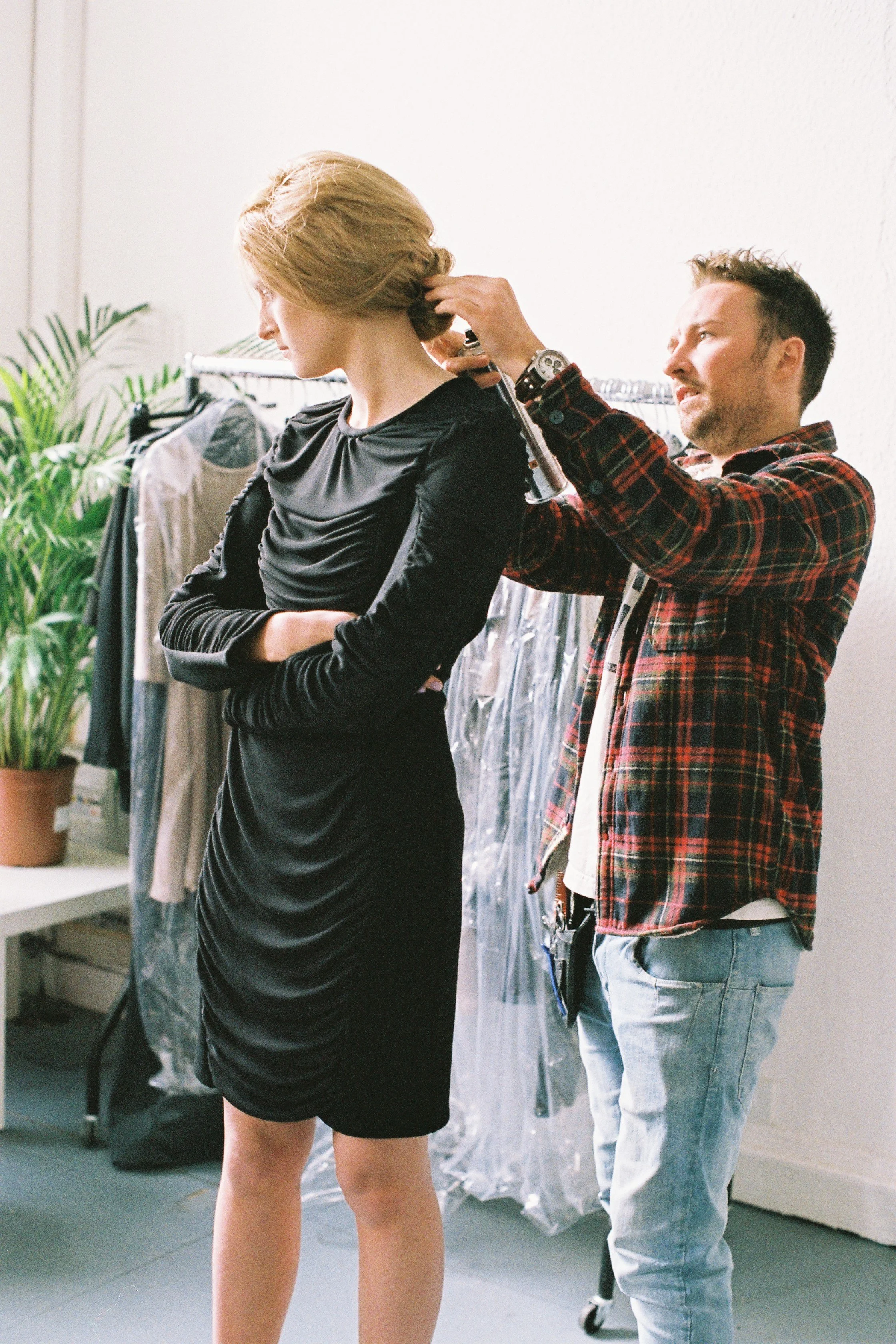
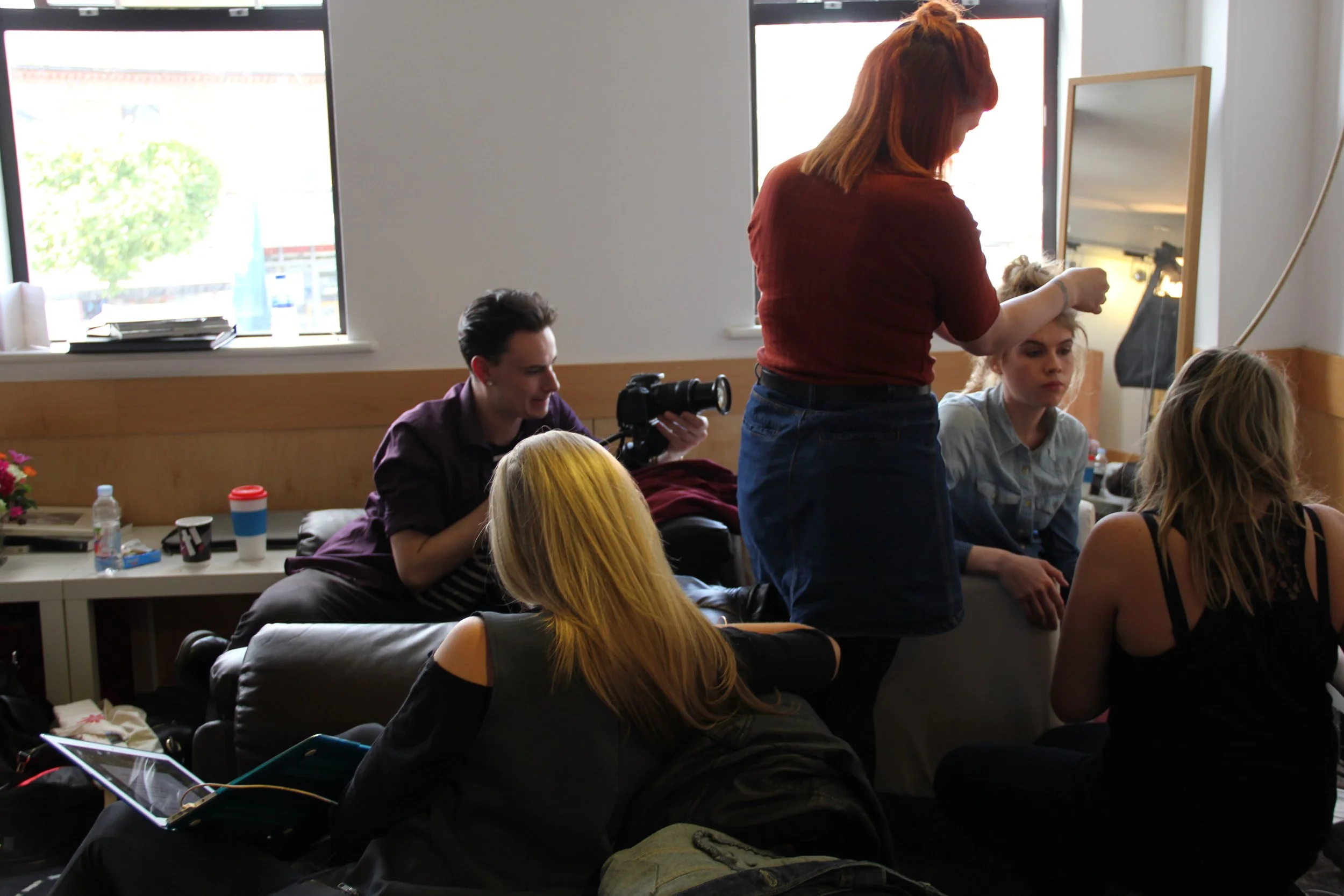
On the one hand, Gen AI promises to level the playing field for small independent brands like Manley. Removing previous barriers to entry and offering tools and capability that were, up to now, only accessible or available to the big players with big *ahem* pockets. But on the other hand, it also threatens to drive a big aul bus through a very fragile ecosystem of creatives, service providers and professionals who we as a brand love working with, and have depended on to build our brand and business to what it is today. I’m talking about the designers, the stylists, the models, the photographers, the hairstylist, the make-up artists, the assistants, the interns etc who are the heartbeat of the Irish fashion community.
The Real Cost of Getting Content Out the Door
For a small independent brand like us, Gen AI can feel a bit like a cheat code. Imagine producing content without the associated costs of a traditional real world shoot. No photographer day rates, no model fees, no studio hire, no hair and makeup, no stylist, no scrambling to sort catering for everyone on the day [Emma usually prepares, cooks and provides the food on the day herself to be fair, but the ingredients still come at a cost] ...
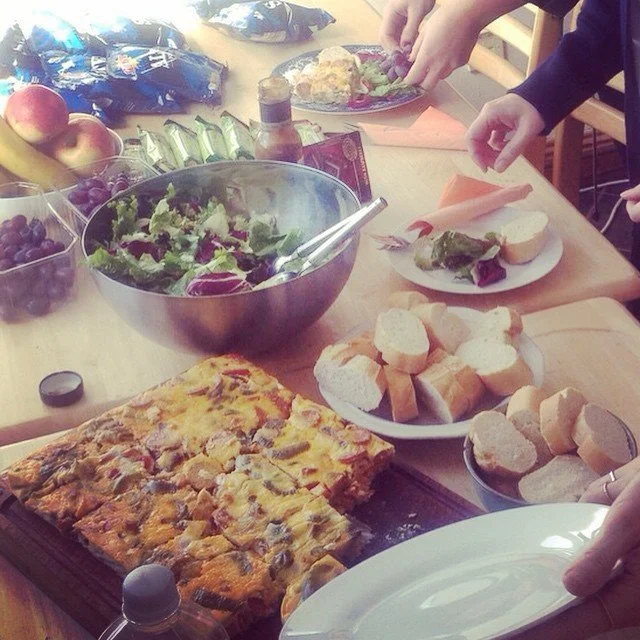
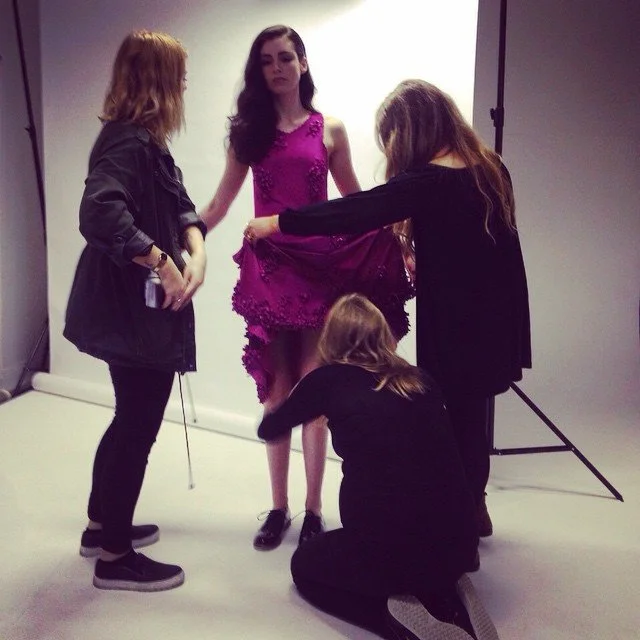
And don't even start me on what happens after the shoot. You've got the raw assets, grand, but now you need designers to build out the lookbook, cut-out photographers and retouchers to prep images for the site, video editors to pull together content for social, site and campaigns etc. The shoot is just the start. Turning those assets into something usable across all our channels… that's a whole other story and a whole other budget. [Unfortunately you cant always depend on your Innovation and Growth Director / Husband to be your one man production team!!]
“Do we risk being priced out because we refused
to automate our soul away?”
Historically, high-gloss marketing was the exclusive domain of mega-retailers and big fashion brands. But the reality now, AI slop aside, is that AI tools can conjure up editorial-quality visuals in just a few prompts, potentially saving thousands of euros… euros we likley dont have have the first place! I’m seeing more and more Gen AI tools and platforms emerging specifically designed for the Fashion industry, specifically designed to replace some or all of the people i mentioned above. I don’t know about you but i think going for a few pints with a Gen AI bot after we wrap a shoot sounds pretty shit to me!
While it’s no surprise, it is disappointing to see the industry go all-in on Gen AI without much consideration or concern for any knock on impact to the people in the industry. Retailers and Fashion brands are jumping in with AI campaigns and "virtual" models, and to be fair, for any business looking at the bottom line only, it makes sense right?
“Think of it as an ingredients list for your eyes! Yum!!”
For us, it could in theory mean we could create a diverse catalogue of images, videos and content that punches way above our weight. Barriers, like feck all budget, that have held us back for years would be removed in an instant. So why don’t we just go all-in?
David, Goliath, and Who's Actually Losing Sleep
Here's where I'm stuck. And here’s why we haven’t and wont go all-in on Gen AI.
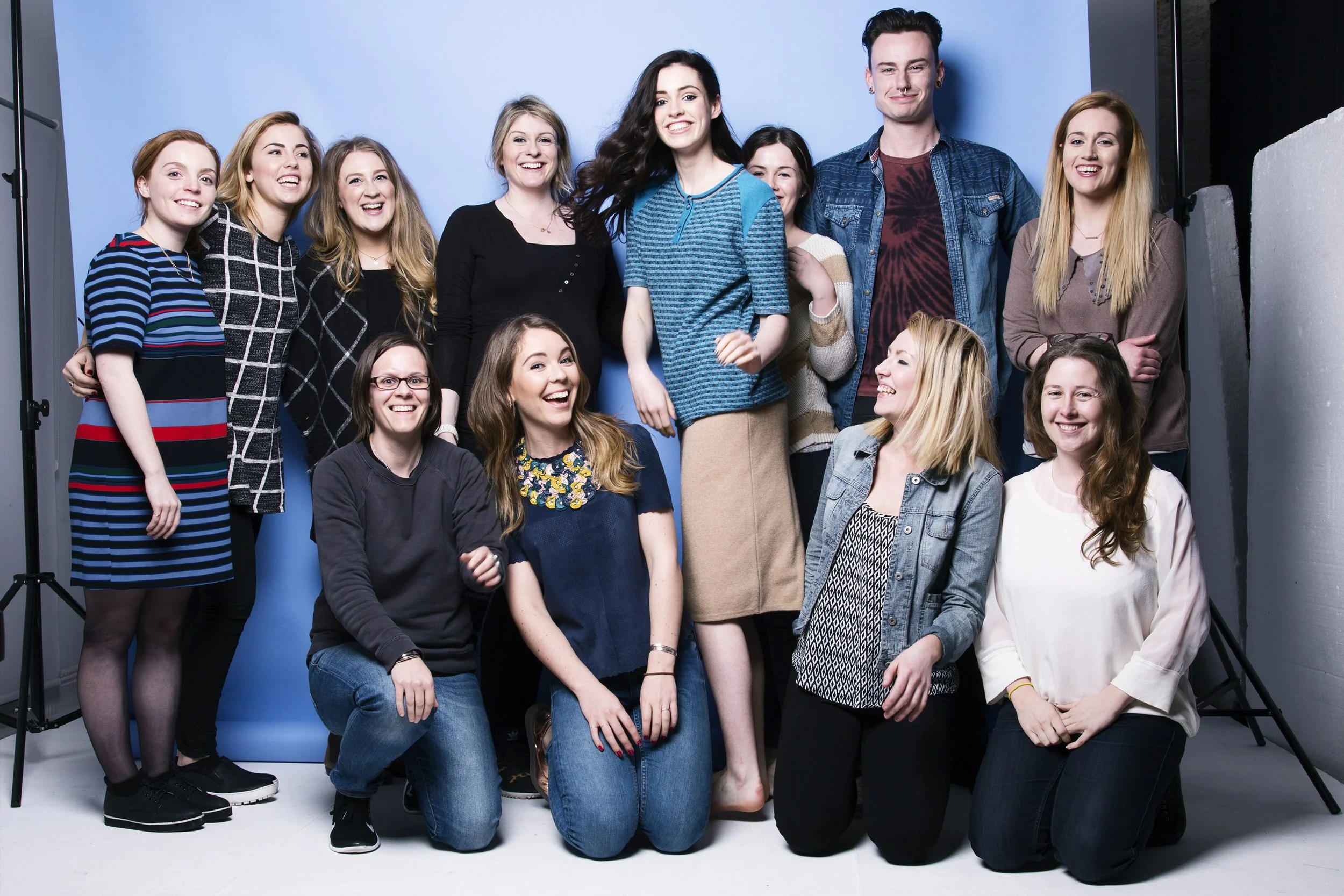
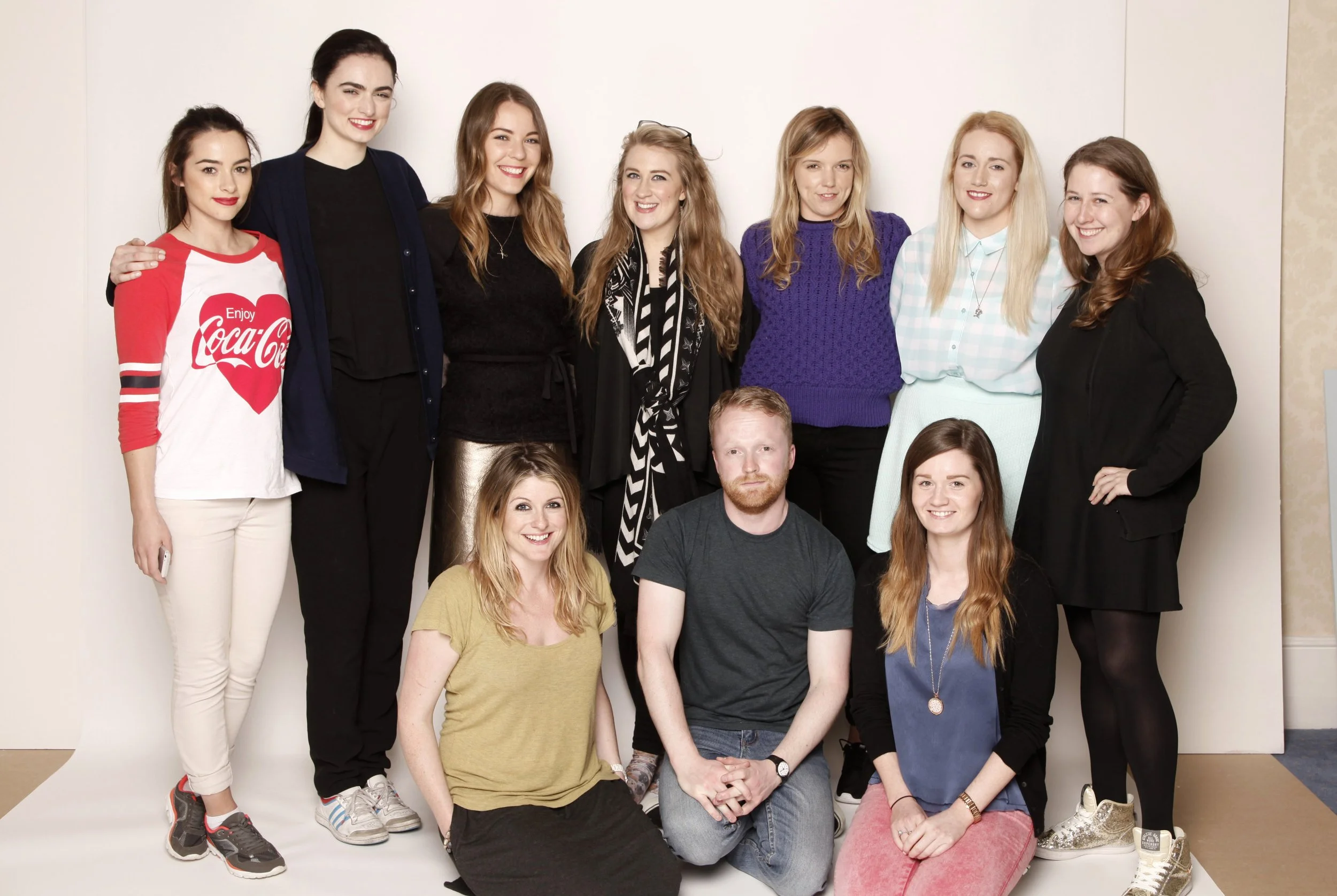
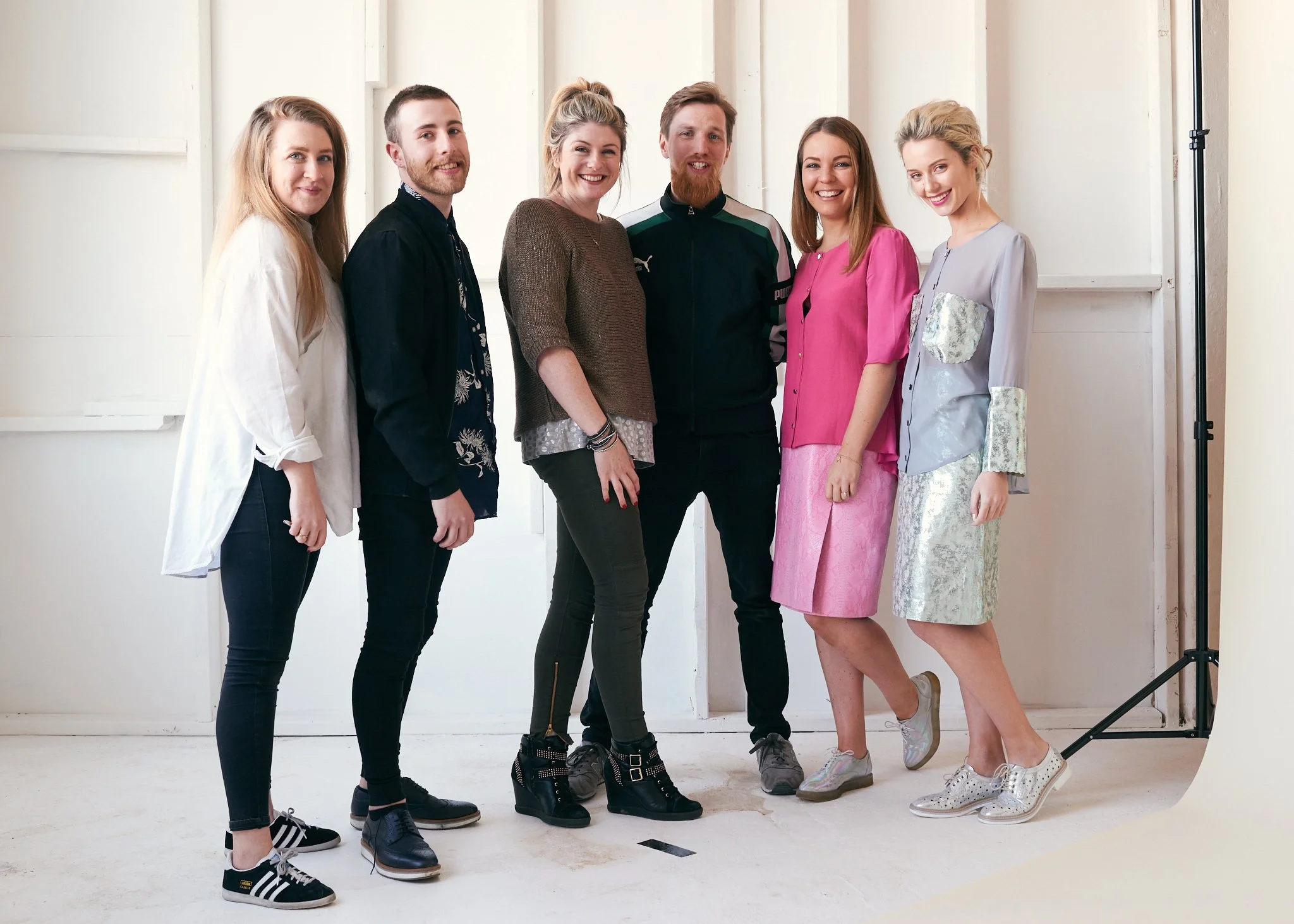
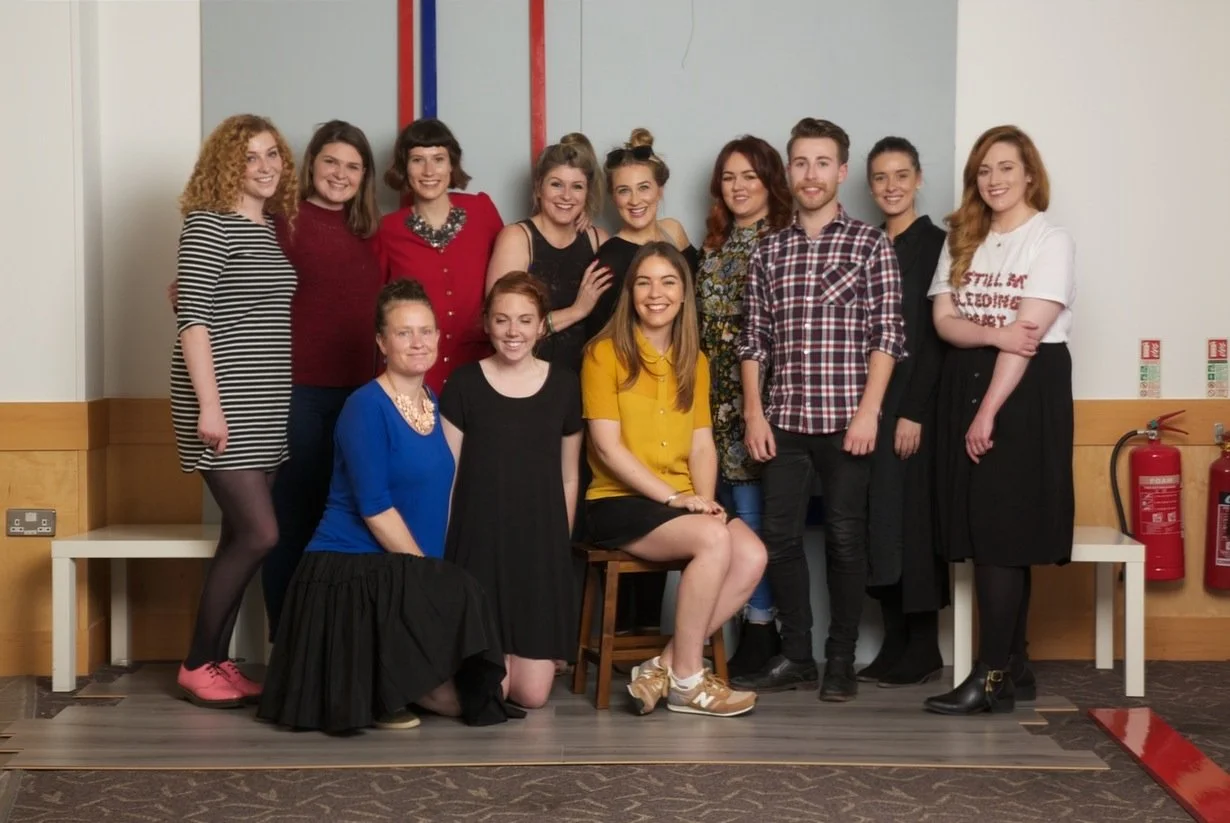
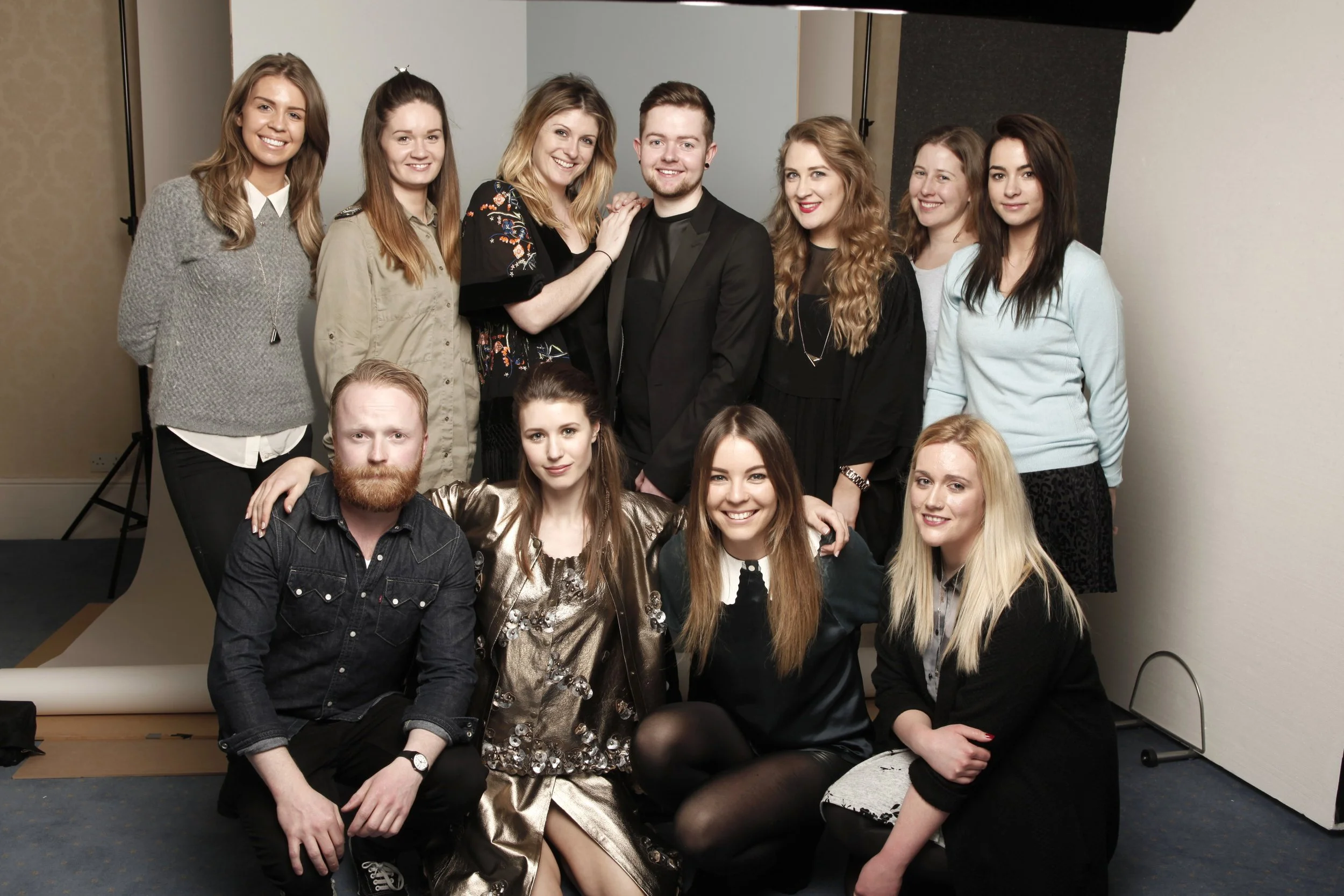
If we go all-in on Gen AI to save money, what happens to local creatives? What happens to that fragile ecosystem and community i mentioned earlier? That community we’re proud to be part of. That community we depended on to build our business over the last 15 years. That community we shared the ups and downs with, went for pints with, shot on a cold windy beach with, shot on busy streets, cold studios and carparks with?
“Is the inevitable slow-moving AI coup interfering with their circadian rhythm at all?”
At Manley, we're genuinely agonising over this. We worry about the ecosystem because we're part of it. Without the ecosystem, without the community, Manley doesn’t exist. I look at the high street giants and the major retailers, and I have to ask: is the bottom line the only thing keeping them up at night? Or is the inevitable slow-moving AI coup interfering with their circadian rhythm at all??
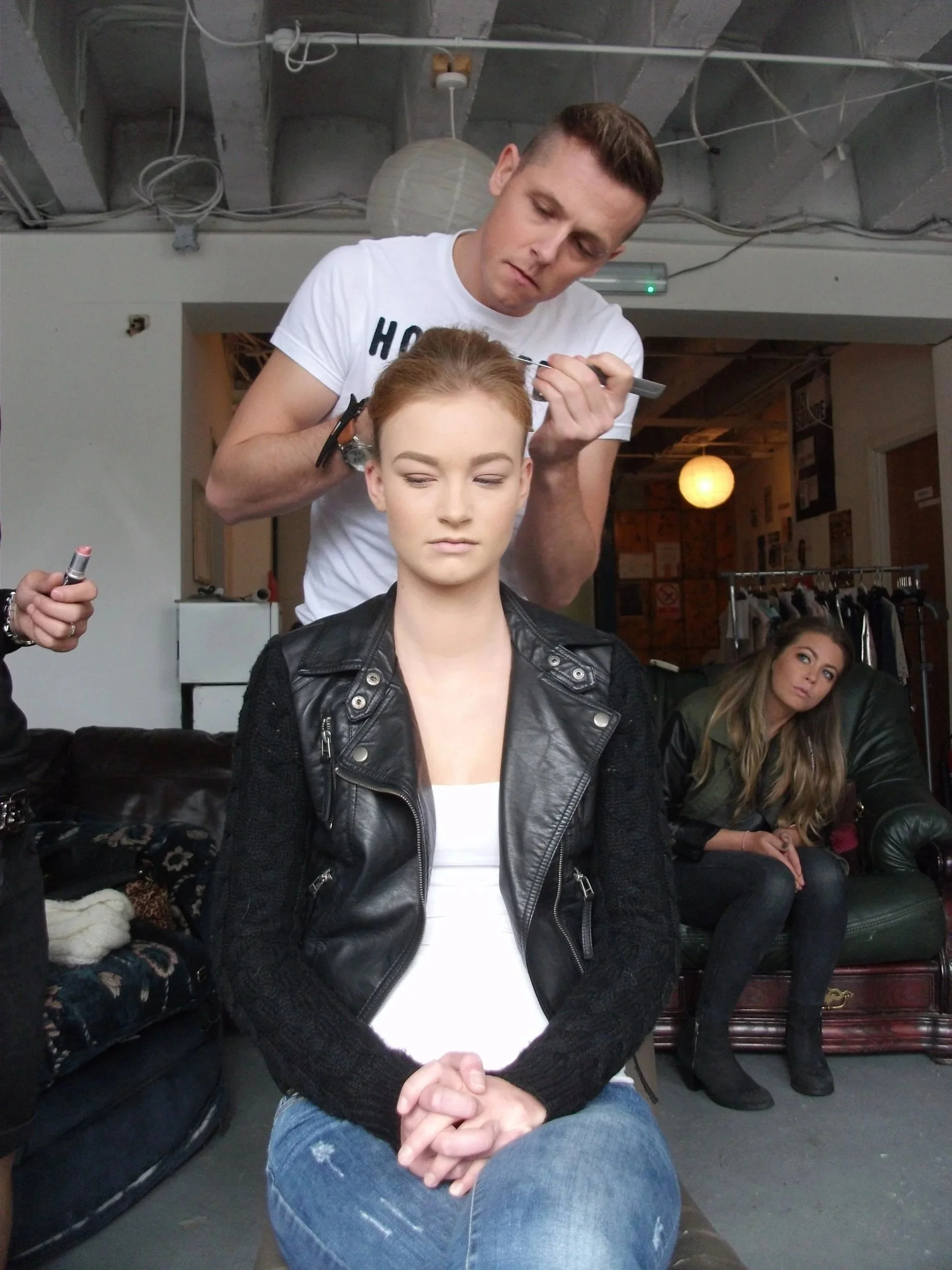
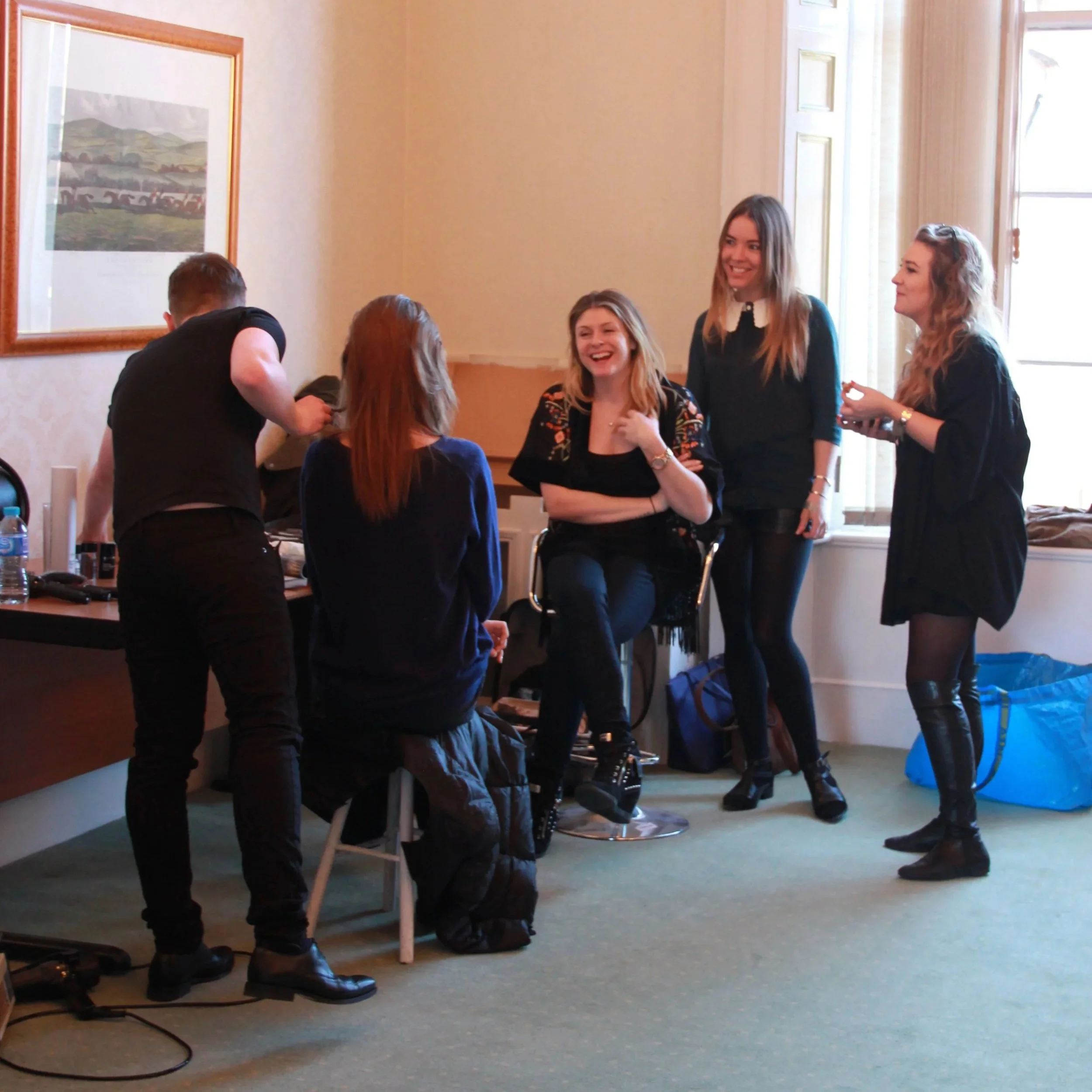
It feels like they're racing to integrate and industrialise AI into their businesses models, scaling up content production to churn out more content, create more noise, and more slop … without pausing to think about the human cost. Many talk a good game on sustainability, as it relates to garment production, but nobody seems to be talking about the ethics of replacing human creativity, human endeavour with servers and prompts. Or the environmental impact of AI and how that squares, or not, with their wider sustainability claims. Because last time I checked, those AI server farms and Data Centers don’t run on fresh air and good intentions.
“Is it down to the smaller, independent brands like Manley to be the holders of the ethical compass here?”
And here's my real fear. Is it down to the smaller, independent brands like Manley to be the holders of the ethical compass here? It feels like we're the ones losing sleep over the photographers, stylists and models, while the big players just stare at Excel charts showing them a healthier bottom line which soothes them to sleep at night better than any Melatonin capsule ever could.
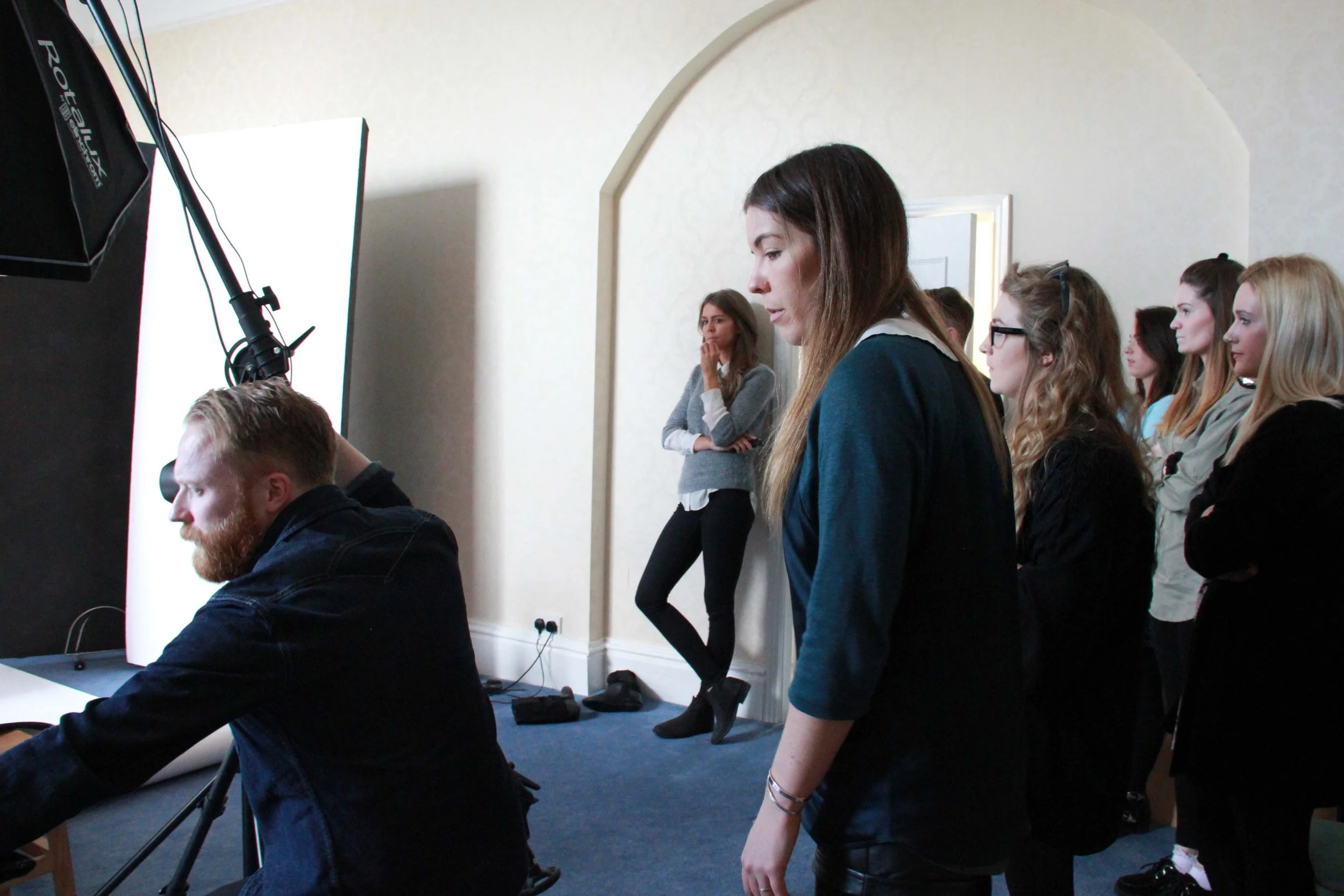
That puts us in a scary spot to be honest. If the big brands fully industrialise AI, which is already happening, and cut their costs to the bone, while we hold the "ethical high ground" and you know do crazy stuff like pay for traditional shoots, pay for graphic designers, for content producers, for service providers... will that hurt us even more? Do we risk being priced out and falling even further behind the big players because we refused to automate our soul away?
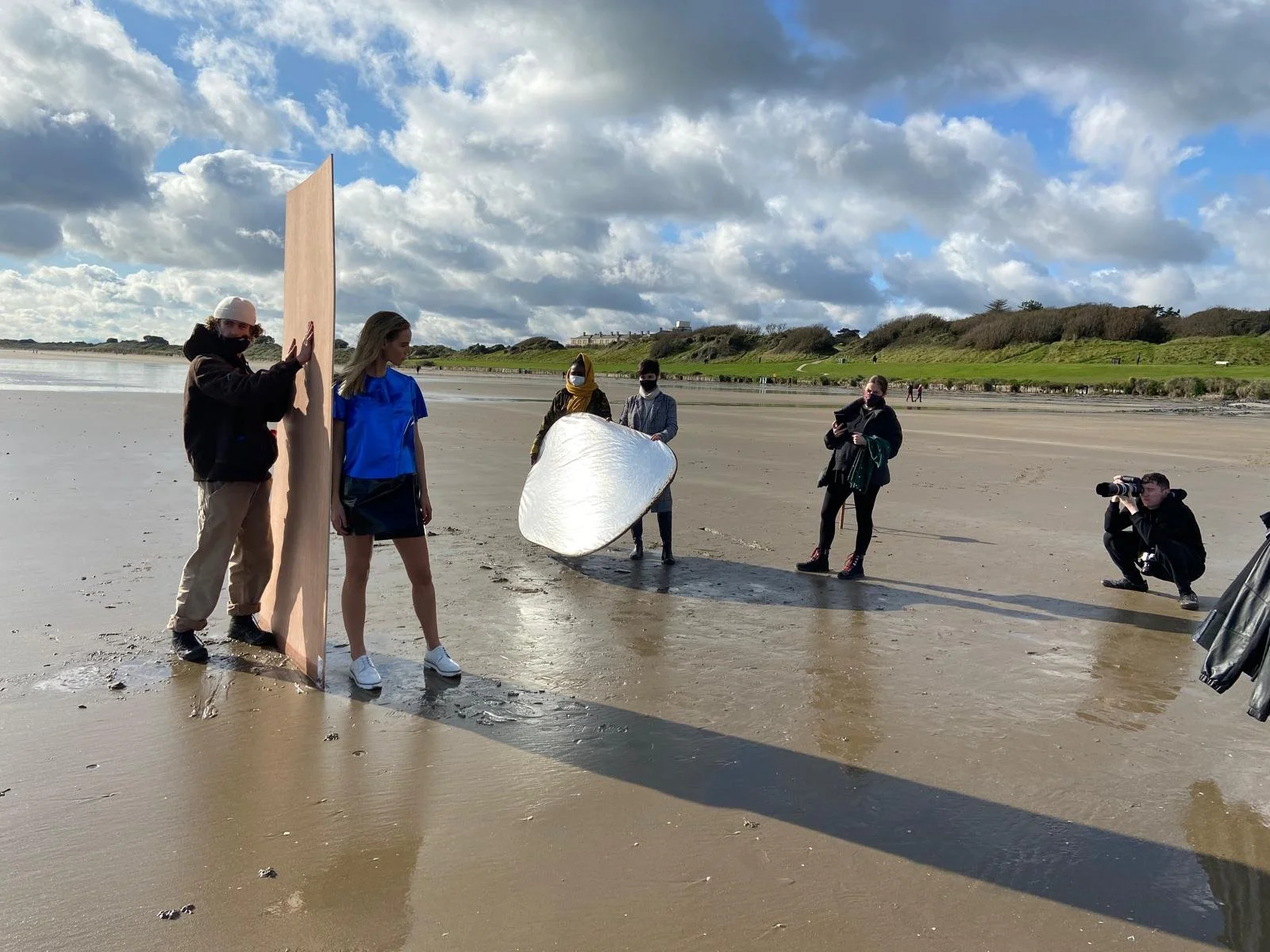
Our Approach: The Manley AI Charter
Despite that risk, or what you might think is the logical or correct business decision here… we know where we stand. Do we want to grow or brand and our business? Yes. Do we want to innovate and use the best tools available to us? Yes. But, not at the expense of our values. Don’t get me wrong, we've dipped our toe in the Gen AI pool and the water is lovely if a little sloshy, and we will likely scale up over time. BUT, we're going to stay transparent about it, and we will never sacrifice our values, at the altar of the bottom line, in place of AI driven efficiency .
So we're in the process of building a charter to keep ourselves honest. It will look something like this:
AI as a Supplement, Not a Replacement: We'll use Gen AI to help with accelerating different step is the creative process, not replacing them e.g. mood boarding, concept design, synthesising, editing or supplementing content etc. But we'll never fully replace real-world shoots or real world product shots or real world creative endeavour.
Keeping it Real: Our aim is, budget allowing, to have at least one major real-world shoot a year, if not more. We need that human connection and that link into the creative community and the magic that happens on set.
Radical Transparency: We'll label any AI-augmented or generated creative clearly. If the scene has been altered by AI or if Gen AI has been involved in some way to produce the content, we'll tell you. We’re currently working on a simple visual way to flag or label where images, videos or content have had some or any AI intervention. [I haven’t seen any clear standard out in the wild yet, (bar this interesting post from Ryan Cox, Global Head of Artificial Intelligence at Teneo) so we might just have to develop our own classification system specific to the Fashion industry. Think of it as an ingredients list for your eyes! Yum!! I want people, for example, to be able to clearly distinguish between '100% Human-Captured/Created', 'AI-Enhanced' (real product, virtual setting), and 'AI-Concept' (mood only). People deserve to know exactly what went in to the image, video or piece of content they are consuming. A Recommended Daily Allowance guidance will have to come form elsewhere!]
Real Products Only: This is a big one. We'll never generate a fake product shot or cut out. We'll always use real-world photography of our actual garments and accessories as the basis for any content. If we use AI, it'll be to show how that real product works in different styles, settings or environments, but the garment or accessory itself will always be the real deal.
Ethical Review: We'll keep checking ourselves. No slop, less is more… community, people and real world first. Just because we can do something with AI doesn't mean we should.
Get To The Point Caller
We see Gen AI as an incredible opportunity to do things that were simply out of reach to us as a small independent Irish Fashion brand up to now, but it's also a test of our principles. Putting our head in the sand isn’t the way to go either so while we’re going to have to lean in to Gen AI, we’re committed to doing it a with people-conscious mindset and a people-first approach.
We want to use this technology enable and facilitate our creativity, not sideline it or God forbid replace it. It might will be harder, and it might will be more expensive than the industrialised, automated, prompt-fest route the big brands are taking, but it's the only way that feels right for Manley.
GRMA for reading. Watch this space as we finalise our Gen AI Charter and Labelling approach, and figure out how to navigate this AI minefield together.
Author: Eoin Ó Súilleabháin, Growth & Innovation Director @ Manley
(and Emma’s other half)
Transparency Note: This article was written by a human (mise), but true to our (in dev) AI Charter, I do need to flag that i did use Generative AI to assist with editing, structure, and typo-hunting, because even Innovation Directors need a good sub-editor sometimes.
Related Articles:
